

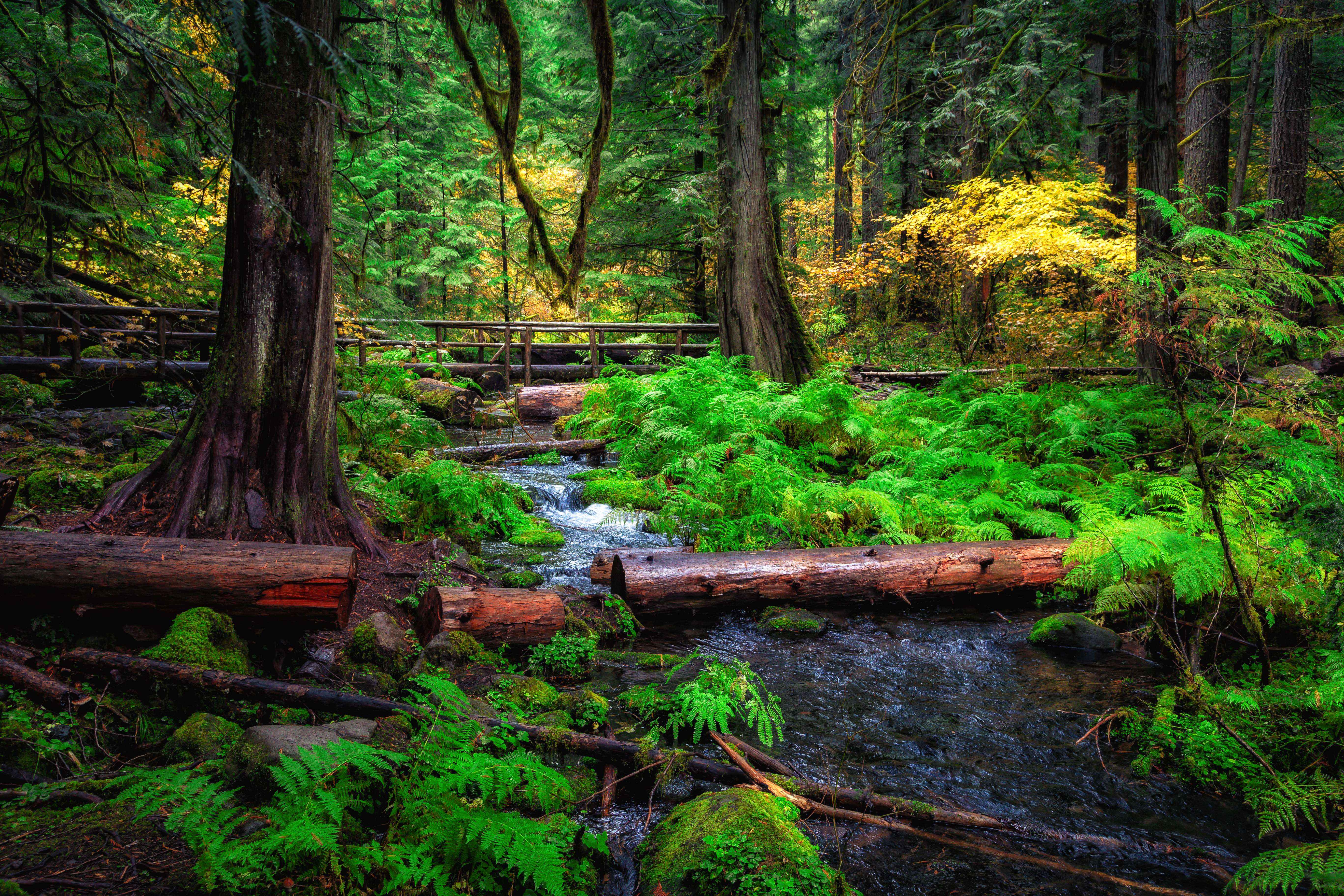
The Pacific Northwest (PNW) is a region renowned for its stunning natural beauty and rich biodiversity. As urban areas expand, incorporating native plants into modern landscapes can significantly enhance local ecosystems, support wildlife, and promote sustainability. Native plants are well-adapted to the local climate and soil, making them low-maintenance and drought-tolerant once established. Let’s explore six native plant species and two native lawn species that can transform your garden into a thriving, eco-friendly haven.
Six Native Plant Species for the PNW
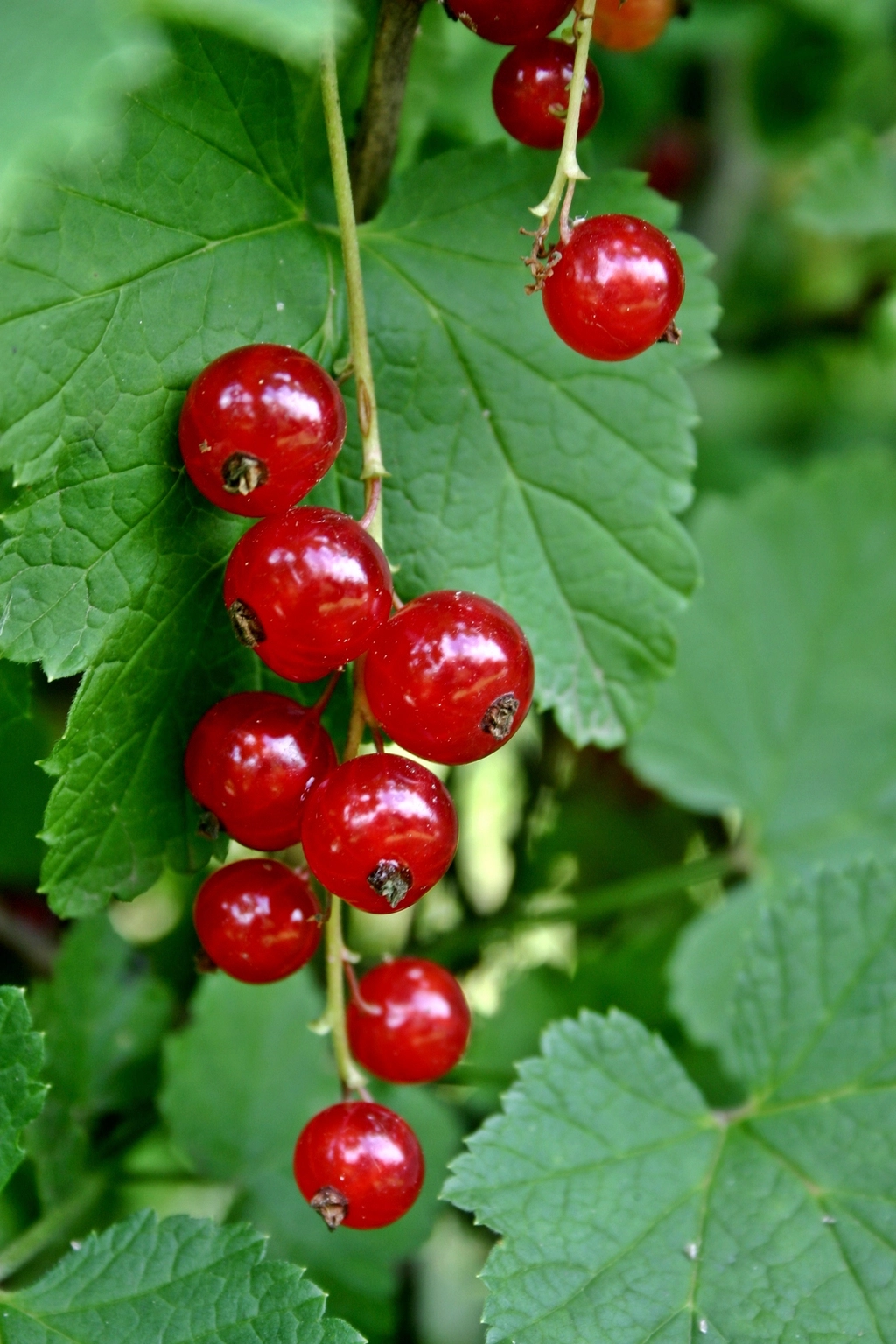
1. Red-Flowering Currant (Ribes sanguineum)
Red-flowering currant is a beautiful deciduous shrub that produces vibrant pink to red flowers in early spring. This plant provides early nectar for pollinators like bees and hummingbirds, supporting their survival after winter. Its berries also serve as food for birds and other wildlife. Easy to grow in a variety of soils, it requires minimal care once established and is drought-tolerant.
2. Oregon Grape (Mahonia aquifolium)
Oregon grape is an evergreen shrub with striking yellow flowers in early spring, followed by dark blue berries. This plant supports pollinators and provides berries that birds relish. Its evergreen foliage offers year-round interest and habitat for small animals. Oregon grape is highly adaptable, requires little maintenance, and is drought-tolerant once established.
3. Western Sword Fern (Polystichum munitum)
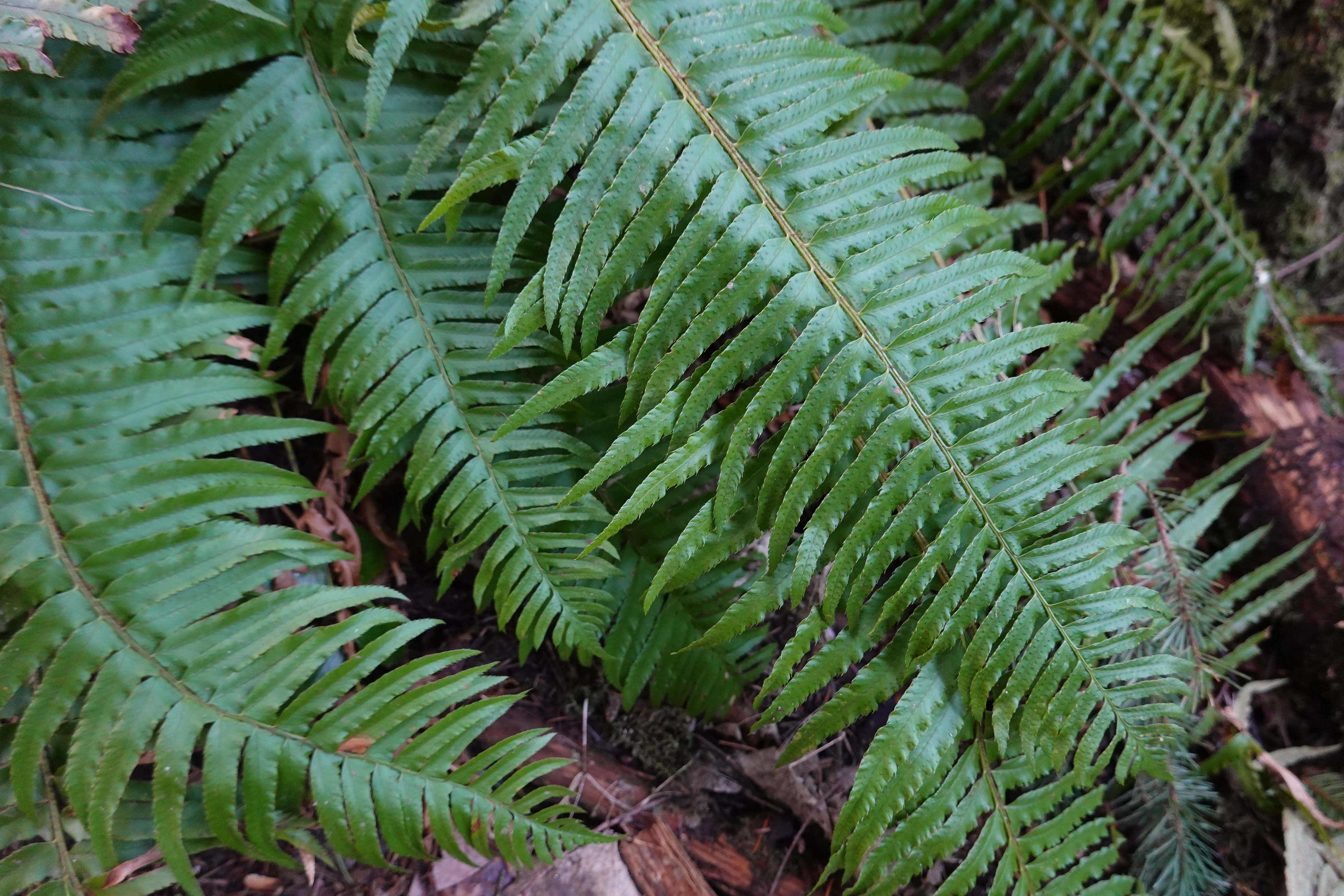
The western sword fern is a hardy, evergreen fern that thrives in the shaded understory of forests. It provides excellent ground cover, reducing soil erosion and creating habitat for forest floor-dwelling creatures. This fern is low-maintenance, requiring only occasional watering during prolonged dry periods, and enhances the natural aesthetic of woodland gardens.
4. Salal (Gaultheria shallon)
Salal is a versatile evergreen shrub that produces white to pink flowers and dark purple berries. It offers year-round habitat and food for wildlife, particularly birds and insects. Salal thrives in both sunny and shaded areas, is highly drought-tolerant, and requires minimal pruning, making it an excellent choice for low-maintenance landscaping.
5. Kinnikinnick (Arctostaphylos uva-ursi)
Kinnikinnick, or bearberry, is a low-growing evergreen groundcover with small, pinkish-white flowers and bright red berries. It stabilizes soil and prevents erosion, making it ideal for slopes and open areas. Its berries attract birds, while the dense foliage provides cover for small animals. This plant is highly drought-tolerant and requires little maintenance once established.
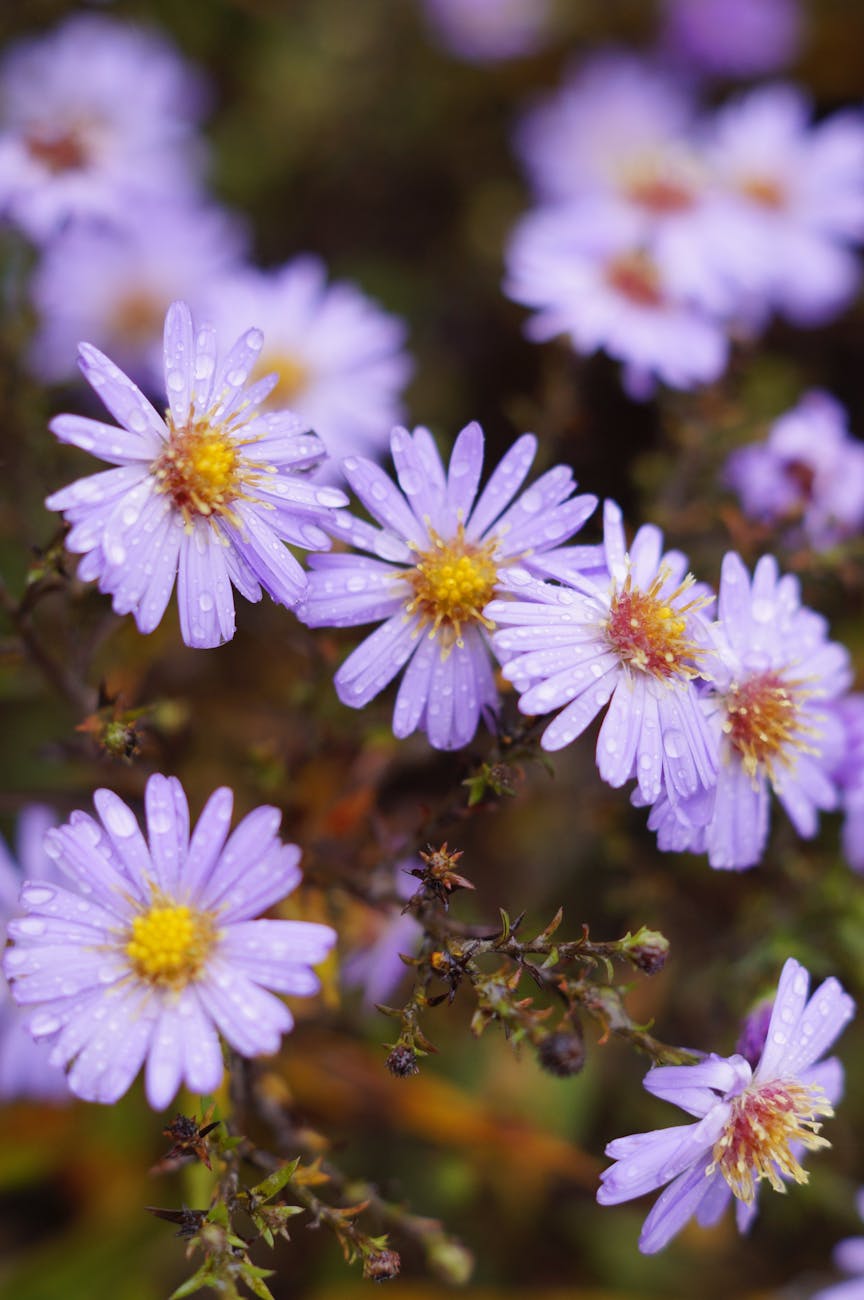
6. Douglas Aster (Symphyotrichum subspicatum)
Douglas aster is a hardy perennial that blooms in late summer with purple flowers that attract bees, butterflies, and other pollinators. It thrives in a variety of soil types and can tolerate both wet and dry conditions. Once established, Douglas aster requires minimal watering and care, making it a sustainable choice for enhancing biodiversity in modern landscapes.
7. Red Fescue (Festuca rubra)
Red fescue is a fine-textured, cool-season grass that is ideal for native lawns in the PNW. It requires less water and fertilizer than traditional lawn grasses and is highly drought-tolerant once established. Red fescue supports soil health by preventing erosion and enhancing soil structure with its deep root system. It also provides habitat for beneficial insects.
8. California Oatgrass (Danthonia californica)
California oatgrass is a perennial bunchgrass that thrives in the PNW climate. It requires minimal watering and maintenance, making it an excellent choice for sustainable lawns. This grass enhances soil fertility through its root system and supports local wildlife by providing habitat and forage. Its resilience to dry conditions further contributes to its low-maintenance nature.
Benefits of Native Plants in Modern Landscapes
Low Maintenance
Native plants are adapted to the local environment, which means they generally require less watering, fertilizing, and pest control compared to non-native species. This not only reduces maintenance efforts but also lowers costs associated with gardening.
Drought Tolerance
Once established, native plants are more resilient to the region’s seasonal droughts. They have adapted to survive on natural rainfall, significantly reducing the need for supplemental watering. This is especially important in the PNW, where summer droughts can be common.
Environment Support
By incorporating native plants into your landscape, you support local biodiversity and create habitats for a wide range of wildlife, including pollinators, birds, and small mammals. These plants also play a crucial role in maintaining healthy soil, preventing erosion, and promoting water infiltration.
Aesthetic Harmony
Native plants enhance the natural beauty of the PNW landscape, creating a cohesive and harmonious look. They contribute to a sense of place and regional identity while supporting ecological balance and resilience.
Incorporating native plants and grasses into modern landscapes in the Pacific Northwest is a powerful way to enhance biodiversity, support local wildlife, and create sustainable, low-maintenance gardens. By choosing species like red-flowering currant, Oregon grape, and red fescue, you can enjoy a beautiful, eco-friendly outdoor space that thrives with minimal care and resources. Embrace the benefits of native plants and contribute to the health and beauty of the PNW environment.




Leave a Reply