

Introduction
Urbanization and climate change have turned stormwater management into a critical challenge for homeowners, developers, and city planners. Traditional concrete driveways and impermeable surfaces exacerbate flooding, strain drainage systems, and pollute waterways. At Terreworks, we believe sustainability and style shouldn’t be mutually exclusive. Enter permeable pavers and rainwater harvesting—two solutions that transform runoff from a problem into a resource. In this blog, we’ll explore how these systems work, their benefits, and how to integrate them into your next project.
The Problem with Conventional Urban Drainage
Cities like Seattle, with its frequent rain and dense infrastructure, face growing drainage issues:
- Flooding: Overloaded storm drains during heavy rainfall.
- Pollution: Runoff carries oil, pesticides, and microplastics into rivers.
- Erosion: Uncontrolled water flow damages landscapes and foundations.
- Wasted Resources: Millions of gallons of rainwater funneled into sewers annually.
Traditional fixes like dry wells or trench drains are functional but often lack aesthetic appeal. Permeable pavers and rainwater harvesting systems solve these issues while enhancing curb appeal.
What Are Permeable Pavers?
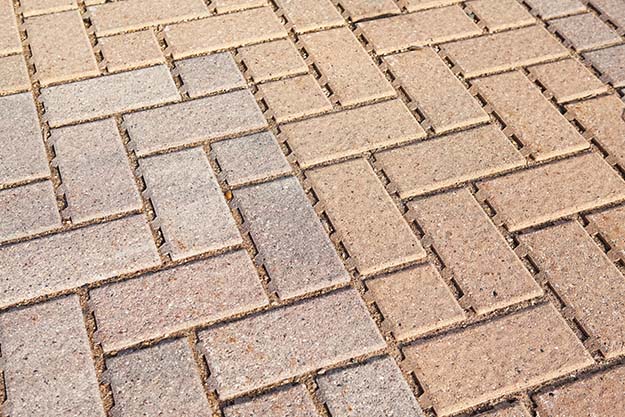
Permeable pavers are interlocking surfaces designed to let water seep through gaps into a gravel base below, where it’s filtered and slowly released into the soil. Unlike solid concrete, they:
- Reduce Runoff: Up to 100% of rainwater infiltrates the ground.
- Prevent Flooding: Manage stormwater at the source.
- Filter Pollutants: Gravel and soil layers trap contaminants naturally.
- Recharge Groundwater: Support local aquifers and ecosystems.
Types of Permeable Pavers
- Concrete Grid Pavers: Durable, modular units with open cells for grass or gravel.
- Porous Asphalt: Looks traditional but allows water infiltration.
- Interlocking Stone: Natural stone designs (e.g., flagstone) with spacing for drainage.
- Plastic Grid Systems: Lightweight options for driveways or fire lanes.
Rainwater Harvesting: Turning Runoff into a Resource
Pair permeable pavers with rainwater harvesting systems to maximize sustainability. These systems collect, store, and reuse rainwater for:
- Irrigation: Water gardens, lawns, or raised beds.
- Outdoor Cleaning: Wash cars, patios, or outdoor kitchens.
- Indoor Use: Filtered water for toilets or laundry (with proper treatment).
A basic system includes:
- Collection Surface: Permeable pavers, roofs, or channels.
- Storage Tanks: Above- or below-ground cisterns.
- Filtration: Remove debris and contaminants.
- Distribution: Pumps or gravity-fed drip lines.
Why Combine Permeable Pavers + Rainwater Harvesting?
- Cost Savings
- Reduce municipal water bills by up to 50%.
- Avoid fines for non-compliant drainage systems.
- Lower landscaping maintenance (healthier soil = fewer replacements).
- Aesthetic Flexibility
- Choose from modern, rustic, or minimalist designs.
- Blend pavers with greenery (e.g., moss-filled gaps or groundcover plants).
- Use patterns to complement outdoor kitchens, pergolas, or fire pits.
- Environmental Impact
- Mitigate urban heat islands (porous surfaces stay cooler than concrete).
- Support pollinators by directing water to native plant gardens.
- Comply with King County’s stormwater regulations and green building codes.
Case Study: Terreworks’ Seattle Residence Project
In 2023, Terreworks redesigned a Queen Anne home’s backyard with permeable pavers and rainwater harvesting:
- Challenge: Flooding destroyed the lawn, and the homeowner wanted a drought-resistant garden.
- Solution:
- Installed flagstone permeable pavers with thyme-filled joints.
- Added a 1,500-gallon underground cistern to collect roof runoff.
- Created a raised-bed vegetable garden irrigated by harvested rainwater.
- Results:
- Zero pooling during Seattle’s rainiest months.
- Cut outdoor water use by 60%.
- Boosted property value with a functional, Instagram-worthy outdoor space.
Design Tips for Stylish, Sustainable Hardscaping
- Mix Materials
Combine permeable pavers with retaining walls or gravel pathways for visual contrast. - Add Greenery
Plant drought-tolerant sedums or clover between pavers to enhance permeability and biodiversity. - Light It Up
Embed solar-powered LED lights in paver gaps for nighttime ambiance. - Multi-Level Design
Use regraded slopes to direct water toward rain gardens or cisterns.
Common Challenges (and How Terreworks Solves Them)
- Clogging: Dirt and debris can block paver gaps.
Our Fix: Use angular gravel bases and schedule annual maintenance. - Permitting: Local codes may require specific drainage plans.
Our Fix: We handle King County permits and compliance paperwork. - Cost: Initial installation is pricier than concrete.
Our Fix: Highlight long-term savings (e.g., reduced water bills, minimal repairs).
Why Choose Terreworks for Your Project?
We’re not just contractors—we’re sustainability partners. Our process includes:
- Site Assessment: Analyze soil type, slope, and rainfall patterns.
- Custom Design: Match pavers to your home’s architecture and lifestyle.
- Eco-Friendly Installation: Use recycled materials and low-impact machinery.
- Smart Tech Integration: Automate rainwater systems with moisture sensors or app controls.
“Our goal is to create outdoor spaces that work harder for you and the planet.”
– Terreworks Landscaping Team
Conclusion
Permeable pavers and rainwater harvesting prove that eco-conscious design doesn’t mean compromising on beauty or functionality. Whether you’re building a new driveway, patio, or community space, these solutions future-proof your property against climate challenges while adding value.
Ready to Transform Your Outdoor Space?
Terreworks specializes in sustainable hardscaping, drainage solutions, and landscape design across Seattle and King County.
Contact us today for a consultation:
📧 Email: reach@terreworks.com
📞 Phone: (206) 494-3345
📍 Explore Our Services: Sustainable Landscaping Solutions
Terreworks Solutions
Where Innovation Meets Sustainability



Leave a Reply