


Introduction
In an era where climate change and urbanization dominate global challenges, the marriage of biophilic design and 3D printing offers a revolutionary path forward. At Terreworks, we’re pioneering this fusion to create structures that don’t just shelter people—they heal communities, reconnect humans with nature, and redefine sustainability. This blog explores how blending organic inspiration with cutting-edge technology is shaping the future of architecture—and why it matters for homeowners, developers, and the planet.
What is Biophilic Design?
Biophilic design is more than just adding plants to a room. It’s a philosophy that seeks to integrate natural elements—light, air, water, greenery, and organic shapes—into built environments to improve mental well-being, productivity, and ecological harmony. Key principles include:
- Natural Materials: Wood, stone, and living walls.
- Organic Geometry: Curved walls, fractal patterns, and flowing layouts.
- Sensory Engagement: Sounds of water, natural light gradients, and tactile textures.
- Connection to Landscapes: Indoor-outdoor flow, rooftop gardens, and habitat preservation.
Studies show biophilic spaces reduce stress by 15%, boost creativity by 6%, and cut energy costs by up to 30%. But until recently, implementing these designs was often costly and labor-intensive. Enter 3D printing.
The Rise of 3D Printing in Construction
3D printing (or additive manufacturing) uses robotic systems to layer materials like concrete, recycled plastics, or even clay into precise, customizable forms. Benefits include:
- Speed: Build a 600-sq-ft home in 24 hours.
- Cost Efficiency: Reduce labor and material waste by up to 60%.
- Design Freedom: Create complex geometries impossible with traditional methods.
- Sustainability: Use recycled or low-carbon materials.
From disaster-resilient housing in Honduras to eco-friendly offices in Dubai, 3D printing is disrupting construction. But its true potential shines when paired with biophilic principles.
Where Nature Meets Technology: The Intersection of Biophilic Design and 3D Printing
Imagine a 3D-printed home with walls that mimic honeycomb patterns for strength and airflow, courtyards embedded with native pollinator gardens, or a façade that grows moss to improve air quality. Here’s how these two fields intersect:
1. Organic Shapes, Precision Engineering
3D printing excels at producing curvilinear forms inspired by nature—think shell-like roofs or branching support structures. For example, Terreworks recently prototyped a 3D-printed pergola with lattice patterns modeled after tree canopies, providing shade while encouraging vine growth.
2. Integrated Green Spaces
Additive manufacturing allows architects to “print” cavities for planting soil or irrigation systems directly into walls. A project in Seattle used 3D-printed retaining walls with built-in pockets for native ferns and succulents, blending hardscaping with biodiversity.
3. Sustainable Material Innovation
Terreworks uses bio-concrete infused with lichen spores (which absorb CO2) and recycled aggregate. For interiors, we’ve experimented with 3D-printed clay partitions that regulate humidity naturally—no energy-guzzling HVAC required.
4. Disaster Resilience + Natural Aesthetics
In wildfire-prone areas, 3D-printed homes with fire-resistant materials can feature embedded rainwater harvesting systems and shaded verandas inspired by forest canopies.
Case Study: Terreworks’ “EcoHive” Project
In 2023, Terreworks partnered with a Seattle nonprofit to design “EcoHive”—a 3D-printed community center with biophilic elements:
- Living Walls: Exterior printed with recessed planters for cascading vines.
- Light Wells: Roof openings modeled after sunflower spirals to optimize daylight.
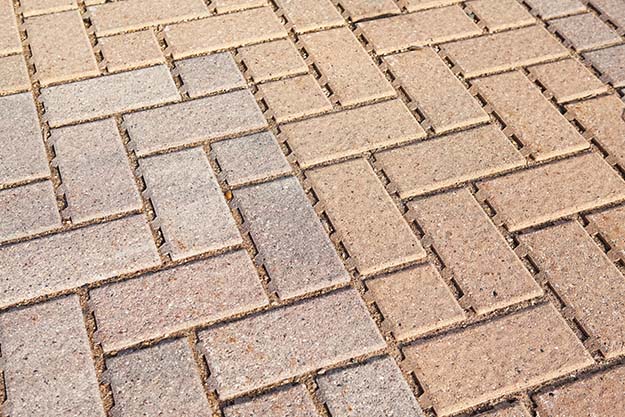
- Permeable Flooring: 3D-printed pavers with gaps for rainwater absorption and native groundcover.
- Local Materials: 80% recycled concrete and reclaimed wood fibers.
The result? A net-zero energy building that reduced construction waste by 70% and became a habitat for local pollinators.
Why This Fusion Matters
- Healthier Living: Biophilic-3D homes improve air quality and mental health.
- Scalable Sustainability: Affordable, replicable solutions for urban and rural areas.
- Climate Resilience: Designs that adapt to floods, heatwaves, and storms.
- Aesthetic Value: Striking, nature-inspired structures attract eco-conscious buyers and tenants.
Terreworks’ Approach to Biophilic 3D Printing
At Terreworks, we don’t just build—we innovate with purpose. Our process includes:
- Site-Specific Design: Analyzing local ecosystems to choose native plants and materials.
- Advanced Software: Using AI to optimize organic shapes for structural integrity.
- Collaboration: Partnering with ecologists, engineers, and communities.
“Our goal is to create buildings that breathe, grow, and evolve with their environment.”
– Terreworks Design Team
Challenges and Solutions
While promising, merging biophilic design with 3D printing has hurdles:
- Material Limitations: Not all natural materials are print-friendly.
Our Fix: Develop hybrid composites (e.g., clay-reinforced polymers). - Regulatory Barriers: Building codes lag behind innovation.
Our Fix: Work with local governments to pilot approved projects.
Conclusion
The fusion of biophilic design and 3D printing isn’t a trend—it’s the future. By marrying nature’s wisdom with technological precision, we can build spaces that heal both people and the planet.
Ready to Bring Nature-Inspired Innovation to Your Project?
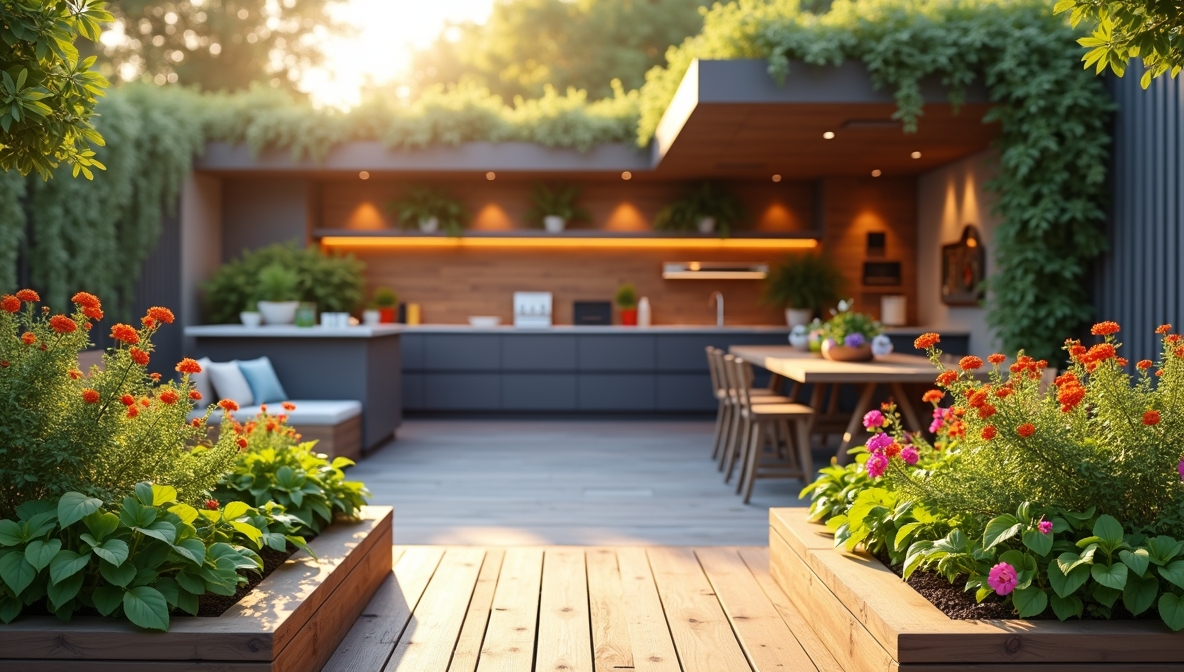
Whether you’re a homeowner dreaming of a backyard oasis or a developer planning a sustainable community, Terreworks is here to help.
Contact us today to start your journey:
📧 Email: reach@terreworks.com
📞 Phone: (206) 494-3345
📍 Serving Seattle, King County, and Beyond
Explore our sustainable construction services or learn more about 3D printing innovations on our blog.

Leave a Reply