

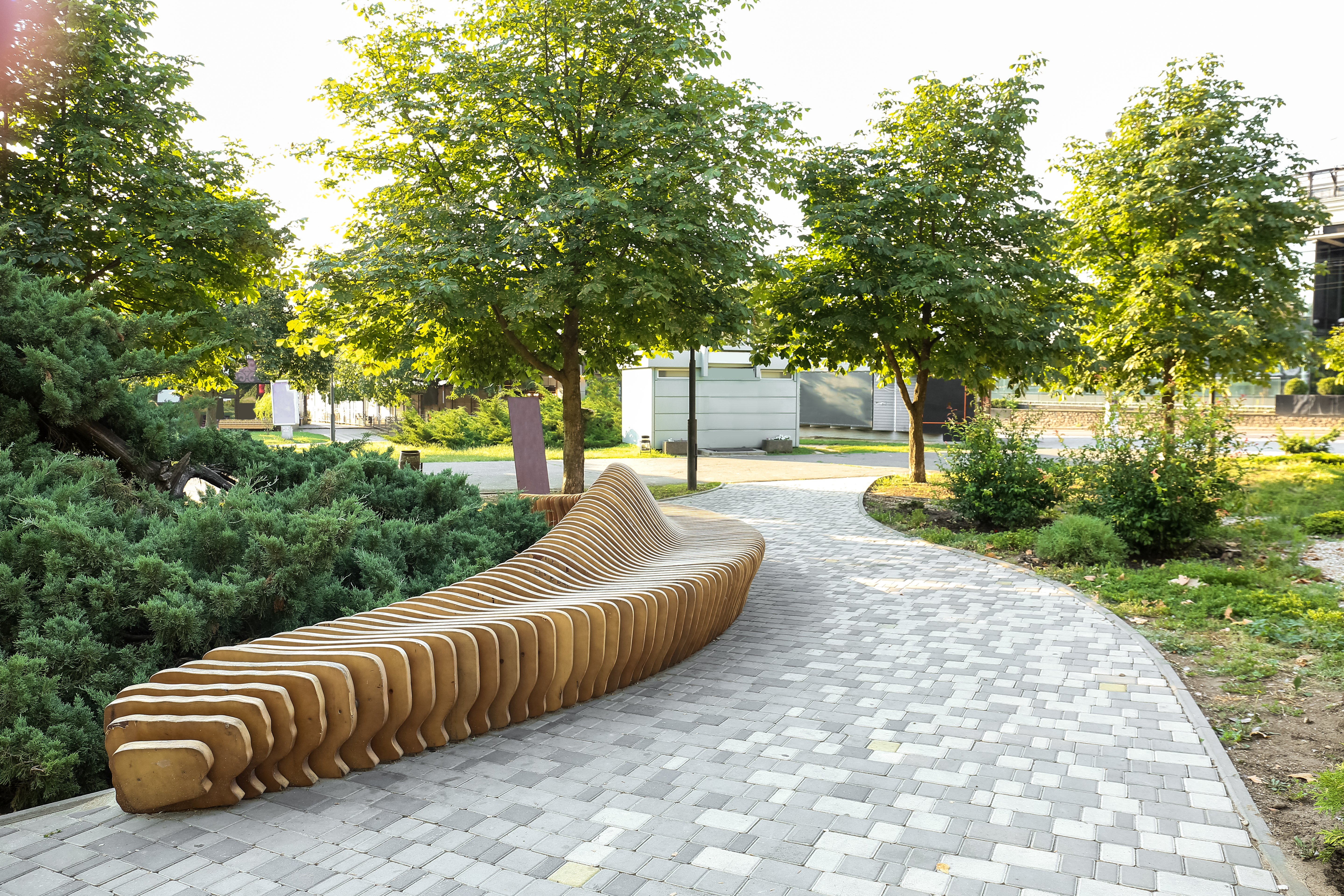
In the heart of the Pacific Northwest, Seattle stands as a beacon of innovation and progress. Yet, amidst the towering skyscrapers and bustling streets, there’s a yearning for something more—a connection to the natural world that defines the region. Enter biophilic design, a transformative approach to urban planning that seeks to reintroduce nature into Seattle’s concrete jungle.
Embracing Nature in the Emerald City
Seattle, often referred to as the Emerald City for its lush greenery and stunning natural surroundings, is no stranger to the importance of preserving and celebrating nature. However, rapid urbanization and development have posed challenges to maintaining this connection. Biophilic design offers a solution by incorporating elements of nature directly into the cityscape, creating spaces that nourish the soul and invigorate the senses.
At the forefront of Seattle’s biophilic transformation are its parks and green spaces. These urban oases provide residents and visitors alike with opportunities to escape the hustle and bustle of city life and immerse themselves in nature. But biophilic design goes beyond traditional parks, envisioning green roofs, vertical gardens, and pocket parks woven throughout the urban fabric.
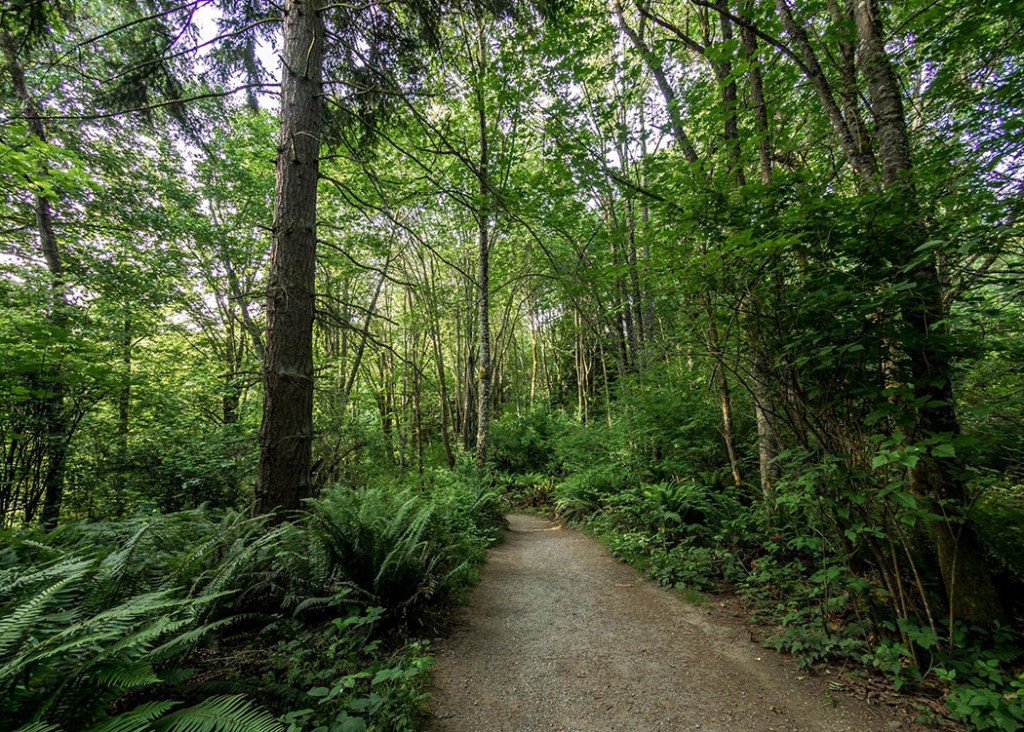
- Discovery Park: Spanning 534 acres, Discovery Park is Seattle’s largest public park and offers stunning views of Puget Sound, forested trails, and open meadows perfect for picnics and wildlife spotting.
- Kubota Garden: Tucked away in the Rainier Beach neighborhood, Kubota Garden is a 20-acre Japanese garden oasis featuring ponds, streams, bridges, and a stunning array of plants and flowers.
- Gas Works Park: Offering a unique blend of industrial charm and natural beauty, Gas Works Park features remnants of a former gasification plant alongside grassy hills, picnic areas, and sweeping views of Lake Union.
- Washington Park Arboretum: Located just east of the University of Washington campus, the Arboretum is a botanical wonderland boasting over 230 acres of gardens, wetlands, and wooded trails.
- Green Lake Park: A favorite among locals, Green Lake Park features a picturesque lake surrounded by walking and biking trails, playgrounds, and sports courts, making it a vibrant hub of outdoor activity year-round.
- Seward Park: Situated on a peninsula jutting into Lake Washington, Seward Park offers old-growth forest trails, a sandy beach, and stunning views of the Cascade Mountains and Mount Rainier.
These parks represent just a few examples of Seattle’s commitment to integrating nature into the urban landscape. Through thoughtful design and preservation efforts, these green spaces serve as essential sanctuaries where city dwellers can connect with the natural world, recharge their spirits, and foster a deeper appreciation for the environment.
Living Walls: Vertical Gardens Reimagined
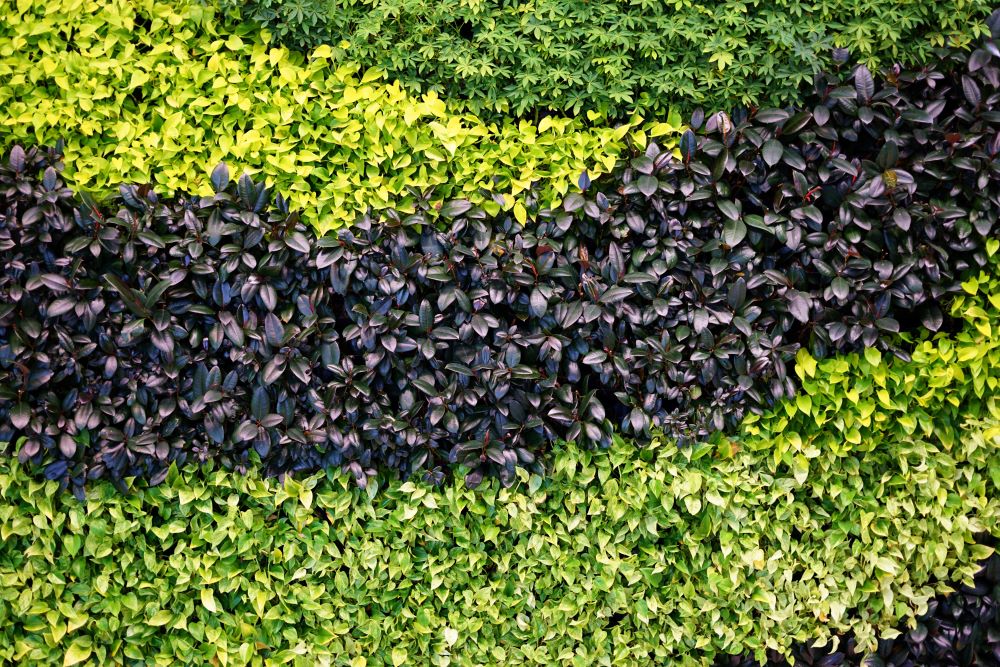
One of the most striking manifestations of biophilic design in Seattle is the proliferation of living walls. These vertical gardens, adorning the facades of buildings across the city, serve as living, breathing works of art, purifying the air, reducing noise pollution, and providing habitat for urban wildlife. From the Amazon Spheres in downtown Seattle to the Bullitt Center in Capitol Hill, living walls are redefining the city skyline, bringing nature to new heights.
Sustainability and Resilience: The Biophilic Advantage
Beyond its aesthetic appeal, biophilic design plays a critical role in promoting sustainability and resilience in Seattle’s urban landscape. Green roofs and walls help mitigate the urban heat island effect, reduce energy consumption, and manage stormwater runoff, contributing to a more sustainable built environment. Moreover, by fostering a deeper connection to nature, biophilic design enhances community resilience, promoting social cohesion and well-being in the face of environmental challenges.
Looking to the Future
As Seattle continues to evolve and grow, biophilic design offers a roadmap for creating a more vibrant, sustainable, and livable city. By embracing nature in all its forms—from parks and green spaces to living walls and biophilic interiors—Seattle can reclaim its title as the Emerald City, a place where urban sophistication coexists harmoniously with the natural world. In doing so, we can ensure that future generations inherit a city that is not only thriving economically and culturally but also deeply rooted in its natural heritage.

Leave a Reply