
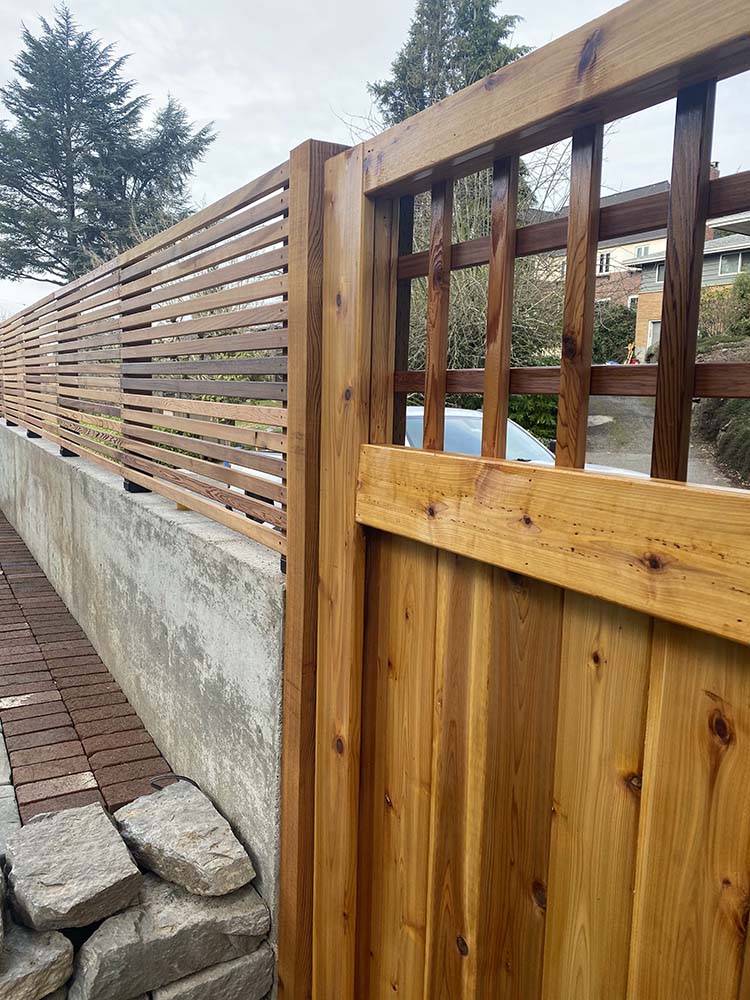
A great fence does more than mark a boundary — it adds privacy, security, and instant curb appeal. From modern designs to durable privacy solutions, the right fence transforms how your outdoor space looks and functions. At Terreworks, we build fences designed to last and built to fit your property. Check out your fence options ⋙
Do you need a new fence?
Loose posts, warped boards, rust, rot, and sagging sections are common signs that a fence is nearing the end of its lifespan. Over time, moisture, soil movement, weather exposure, and aging materials can weaken the overall structure, making the fence less stable, less secure, and more costly to maintain.
If you are repeatedly replacing panels, posts, gates, or hardware, your fence may be experiencing larger structural issues caused by age, moisture damage, or failing materials. While small repairs can extend the life of a fence temporarily, ongoing repairs often become more expensive over time than investing in a complete replacement built to last.
A new fence can create a safer and more private outdoor space for children, pets, pools, and entertaining areas. It can help keep pets and kids secure, provide controlled access, reduce visibility from neighbors or streets, and even help minimize noise for a quieter, more comfortable backyard.
An outdated, damaged, or poorly designed fence can make an otherwise beautiful property feel unfinished or neglected. A modern, well-built fence can dramatically improve curb appeal by complementing your home’s architecture, landscaping, and outdoor living spaces while creating a more polished and cohesive overall appearance.
If your fence shakes excessively, leans after storms, or has weakened posts and panels, it may no longer be structurally sound. In the Pacific Northwest, constant moisture, shifting soil, and seasonal windstorms can significantly shorten the lifespan of aging fences.
New patios, landscaping, gardens, decks, or outdoor kitchens are often the perfect time to install fencing that ties the entire space together.
Why choose Terreworks for your Fence?
Fence installation in the Seattle area, done right the first time.
Your fence does a lot of work. It keeps kids and pets safe, gives you privacy from the neighbors, adds curb appeal, and defines the boundaries of the space you’ve worked hard to own. It deserves to be built well.
At Terreworks, fence installation is all we do — and we’ve gotten very good at it. We work with homeowners across the Seattle area who want the job done by people who actually know what they’re doing. Not a crew that showed up last week. Not a handyman squeezing it in between other projects. A dedicated team that has installed hundreds of fences in this region and knows exactly what it takes to build one that lasts.
We know the Seattle area.
Pacific Northwest weather is hard on fences. The wet winters, the clay-heavy soils, the freeze-thaw cycles — these things matter when it comes to how deep posts are set, what materials hold up over time, and how a fence should be built to stay plumb and tight for years, not months. We’ve worked in these conditions long enough to know the shortcuts that cause problems down the road — and we don’t take them.
We handle everything.
From pulling permits to locating utilities to final cleanup, we manage the entire process so you don’t have to coordinate a thing. You get a clear written quote upfront, a firm timeline, and a crew that respects your property. No surprises, no excuses, no disappearing acts halfway through the job.
We build fences people are proud of.
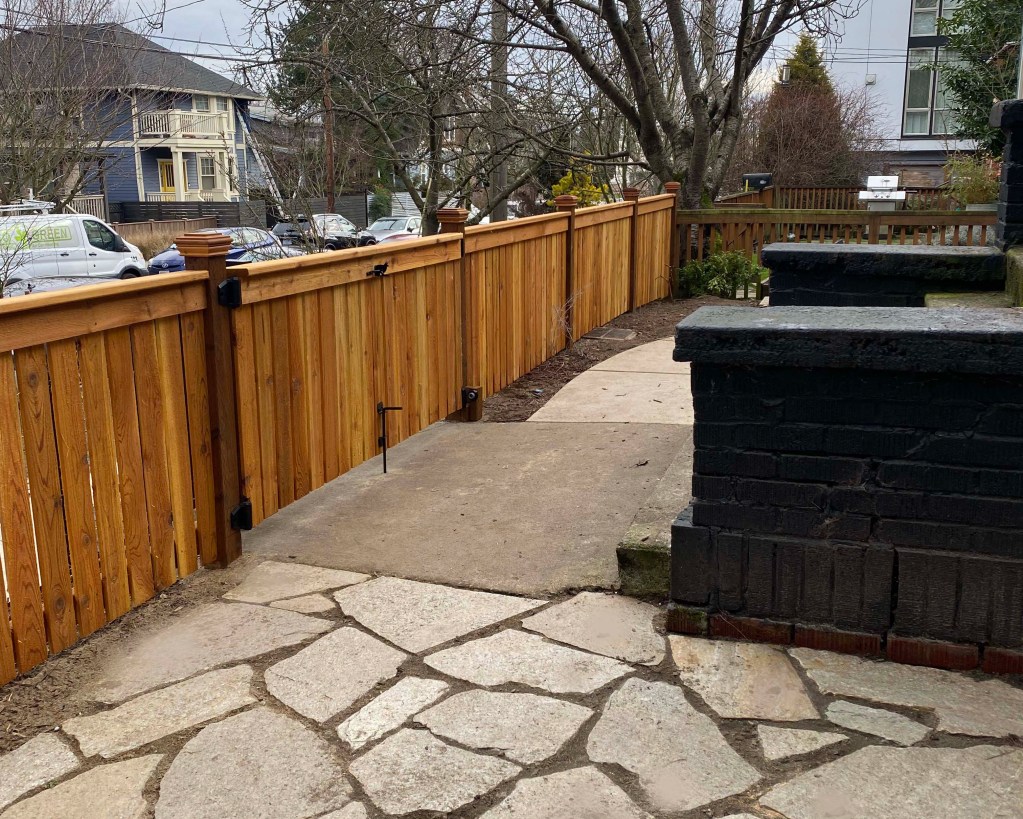
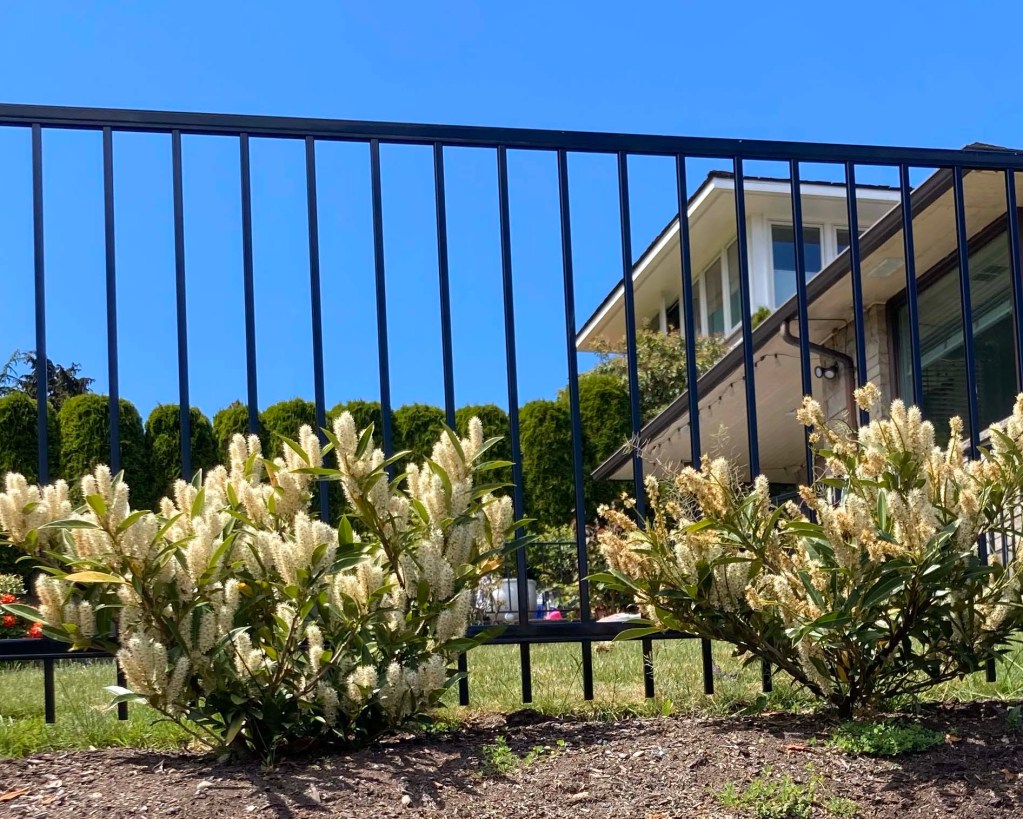
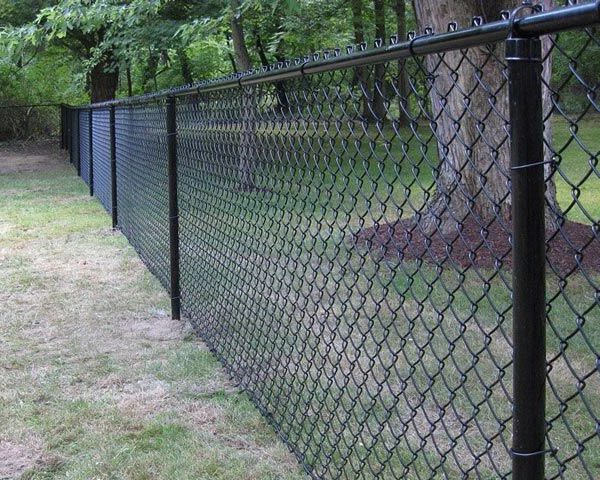
Wood, vinyl, chain-link, ornamental — whatever style fits your home and your budget, we’ll help you choose the right material and build it to last. We take the same care on a straightforward backyard privacy fence as we do on a custom cedar installation with gates and grade changes. Every project gets our full attention.
The bottom line.
There are a lot of fence companies in the Seattle area. What sets Terreworks apart is simple: we care about the work, we stand behind it, and we’re not done until you’re happy. That’s not a marketing line — it’s how we’ve built our reputation, one yard at a time.
What’s the best type of fence for your yard?
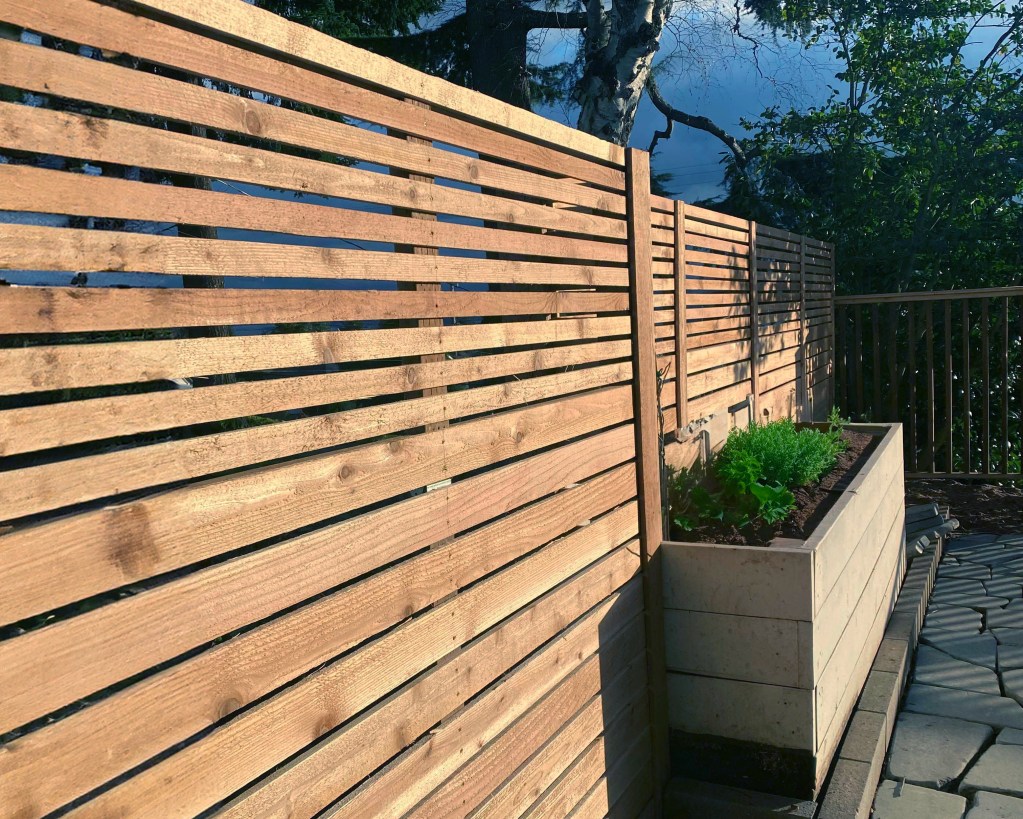


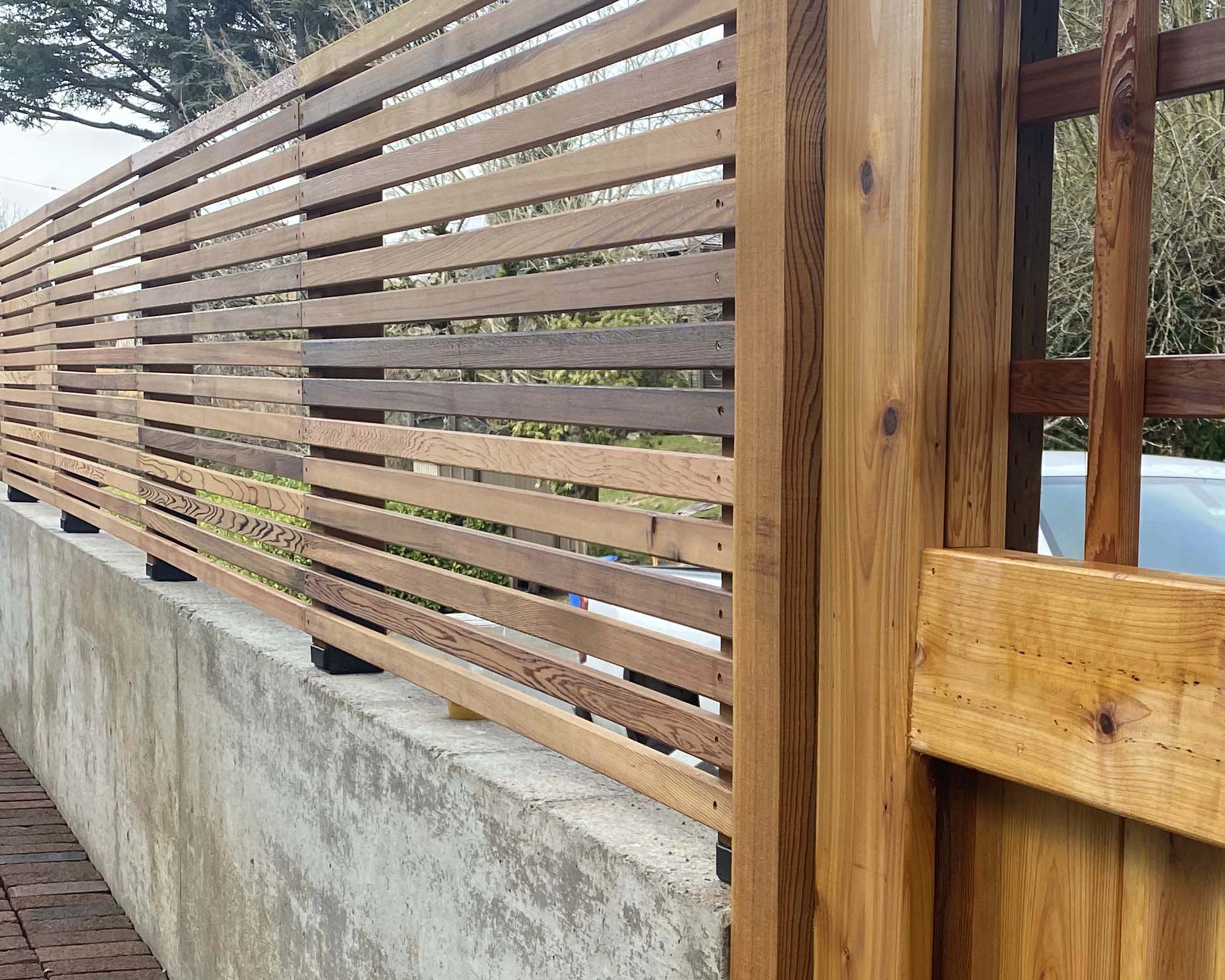

Frequently Asked Questions
Many fences don’t require a permit, but common city and county regulations say:
- Fences in front yards are typically limited to 4 feet in height
- Fences in back and side yards are generally allowed up to 6 feet without a permit
- Fences over 6 feet require a building permit in most jurisdictions
- Fences near street corners must meet sight triangle requirements to avoid blocking driver visibility
- You must stay within your property line — encroaching on a neighbor’s land or a public right-of-way is not allowed regardless of permit status
- Fences near utility easements may be restricted or require special approval
- Some neighborhoods and HOAs have their own rules that are stricter than city or county code.
When in doubt, we always check with your local building department before we dig — it’s a quick step that can save a lot of headaches down the road.
- Closing documents — your home purchase paperwork may include a property survey
- Survey stakes — metal pins or rods placed at lot corners during a prior survey (sometimes buried or hidden by landscaping)
- County parcel map — free online tool that shows lot dimensions and boundaries; good starting point but not legally definitive
- Licensed surveyor — the most reliable option, typically $500–$1,500 depending on lot size
That said, in practice many fence lines come down to where you and your neighbor agree. A quick conversation before installation can save a lot of headaches — most disputes happen when a fence goes up without any communication first.
- If it’s on their property — it’s their fence, and any repairs are their responsibility. You can always ask if they’d be open to sharing costs for an upgrade, but you have no obligation either way.
- If it’s on the shared property line — it’s generally considered a shared fence. In Washington State, neighbors are typically equally responsible for maintenance and repair costs on a shared boundary fence.
- If you’re not sure whose fence it is — start with a friendly conversation. Most neighbors are reasonable, and a little communication goes a long way before assuming responsibility or calling anyone out.
If the fence is in bad shape and your neighbor isn’t responsive, you may have the option to replace it yourself and seek partial reimbursement — but that’s a conversation best had before swinging a hammer. We’ve seen plenty of these situations and are happy to walk you through your options when we come out for an estimate.
- Wood — the most maintenance-intensive. Plan to stain or seal it every 2–3 years to prevent rot, warping, and weathering. In the Seattle area, our wet winters make this especially important.
- Vinyl — very low maintenance. An occasional rinse with a garden hose is usually all it needs to stay looking clean.
- Aluminum & ornamental steel — minimal upkeep. Touch up any chips or scratches in the powder coat to prevent rust, and you’re largely set.
- Chain-link — low maintenance. Check periodically for loose tension and rust spots, especially at the post bases.
Regardless of material, a quick annual walkthrough goes a long way — check for leaning posts, damaged boards, and gate hardware that needs tightening or lubrication. Catching small issues early is almost always cheaper than waiting until they become big ones.
Fencing is priced by the linear foot, so the size of your yard is the biggest factor. Beyond that, cost comes down to:
- Material — wood and chain-link are the most affordable; vinyl and ornamental aluminum cost more upfront but require less maintenance over time
- Height — a 6-foot fence uses more material than a 4-foot fence
- Gates — each gate adds to the total, especially if you want a wider drive-through gate
- Site conditions — slopes, rocky soil, tree roots, and removal of an existing fence all affect labor costs
As a rough ballpark, wood fencing in the Seattle area typically runs $55–$125 per linear foot installed depending on style and complexity. A typical backyard can range anywhere from $5,000 to $15,000+.
The best way to get an accurate number is a free on-site estimate — we measure your property, talk through your options, and give you a written quote with no surprises.
Contact Terreworks at 206.494.3346 or through our contact form to set up a free consultation. We can review your property and specific needs to help you identify the best and most budget-friendly fence for you.

Discover more about your options on our blog.

