


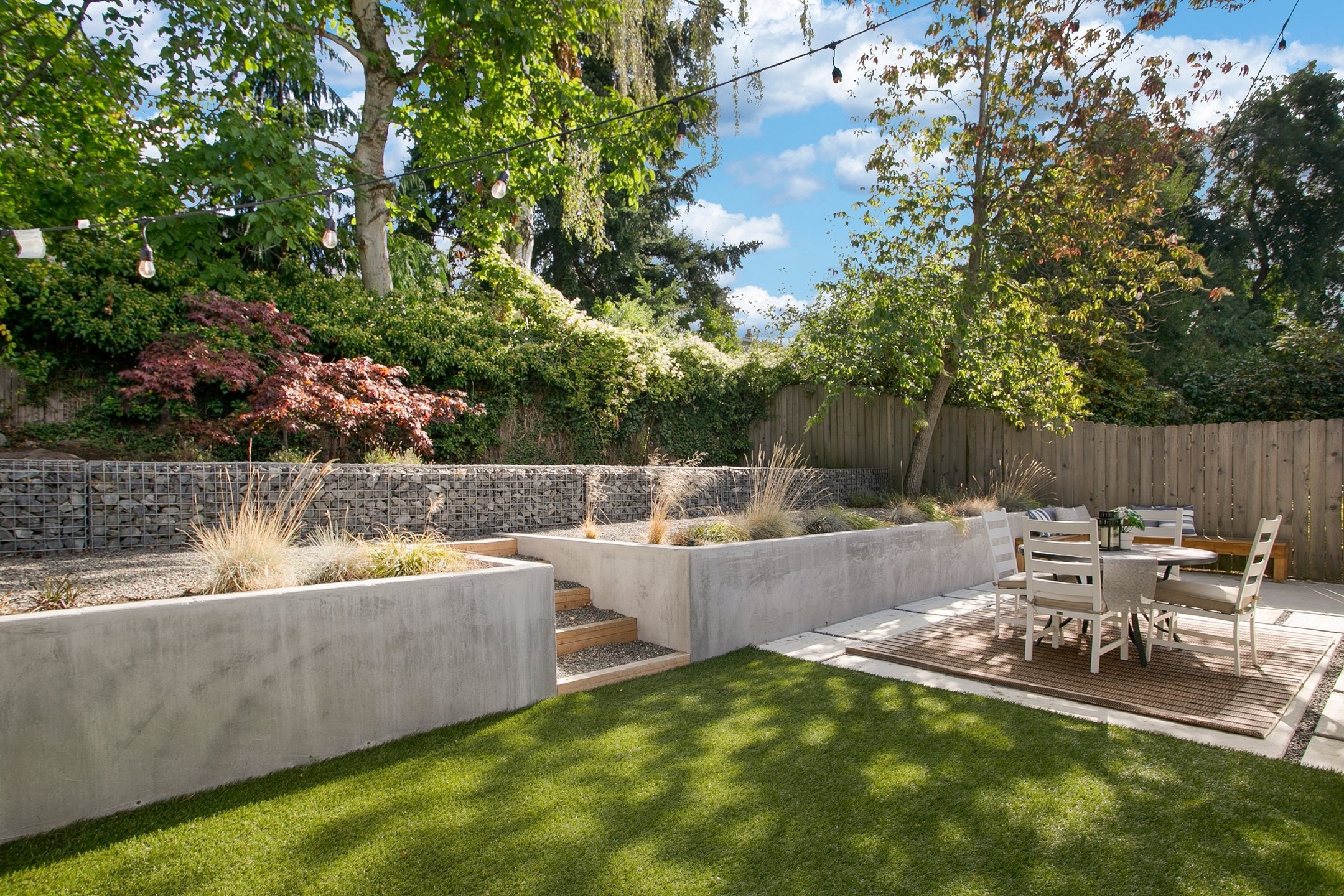
Seattle, with its picturesque hills and stunning vistas, offers homeowners unique challenges and opportunities when it comes to landscaping. If you’re a proud owner of a hilly yard in the Emerald City, you may be considering regrading to maximize your outdoor space’s potential. However, before you dive into this endeavor, it’s essential to understand the intricacies involved, especially if your yard falls under the category of an ‘environmentally critical’ steep slope. Additionally, navigating the process of obtaining a retaining wall permit can seem daunting, but fear not – we’re here to guide you through it all.
Determining Your Yard’s Classification: Is it an ‘Environmentally Critical’ Steep Slope?
Seattle’s hilly terrain means that many yards may be classified as ‘environmentally critical’ steep slopes. These areas are subject to specific regulations aimed at protecting the environment and minimizing erosion. Before beginning any regrading project, it’s crucial to determine if your yard falls under this classification. Most municipalities and counties have a GISmap system that will allow you to look up your property and any possible environmental limitations you may have. Consulting with a local land use planner or civil engineer can help you assess your yard’s status and understand any regulations you must adhere to.
Navigating the Permit Process for Retaining Walls
If your regrading plans involve constructing retaining walls over 4ft tall, you’ll likely need to obtain a permit from the city. The permit process ensures that your project meets safety standards and adheres to zoning regulations. Here’s a simplified overview of the steps involved:
- Research and Planning: Start by researching the specific requirements and regulations for retaining walls in your area. This information is typically available on your city’s official website or by contacting the local permitting office. Once you understand the guidelines, you can begin planning your retaining wall design.
- Prepare and Submit Your Application: Gather all necessary documentation, including site plans, engineering drawings, and permit application forms. Submit these materials to the appropriate permitting office along with the required fees. Be sure to provide accurate and detailed information to expedite the review process.
- Extra Steps for an ECA Slope : If you have determined that you have an ‘environmentally critical’ slope on your property, you will need to consult a geotechnical firm to review your property and draw up a report about your particular slope stabilization needs could be. A topographical survey from a licensed survey firm will also need to be submitted with your application.
- Review and Approval: After submitting your application, it will undergo a thorough review by city officials. This process ensures that your retaining wall design meets all safety and regulatory requirements. Depending on the complexity of your project and local regulations, this review may take several weeks or months.
- Permit Issuance: Once your retaining wall plans are approved, you’ll receive a permit authorizing construction to begin. Be sure to display this permit prominently at the construction site and adhere to any conditions or restrictions outlined in the approval.
- Construction and Inspection: With your permit in hand, you can proceed with building your retaining wall according to the approved plans. Throughout the construction process, city inspectors may visit the site to ensure compliance with building codes and permit conditions. Be prepared to address any issues or modifications requested by the inspector.
- Final Approval: Upon completion of construction and a final inspection, the city will issue a final approval for your retaining wall project. This signifies that the structure meets all regulatory requirements and is safe for use.
Choosing the Right Retaining Wall Material
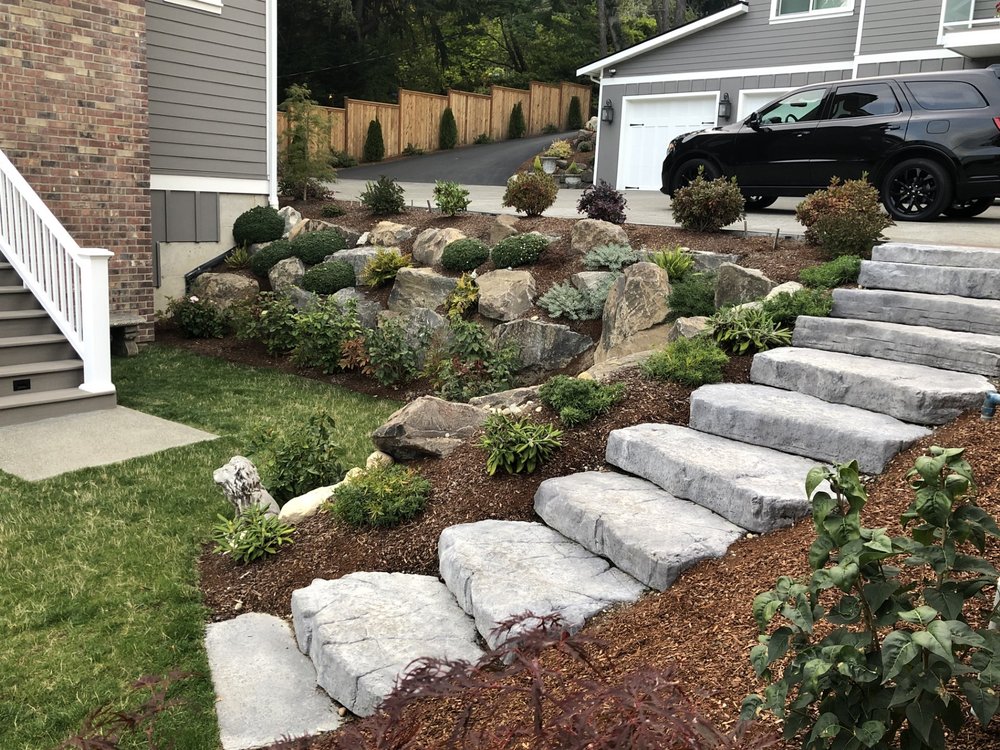
Once you’ve obtained the necessary permits, it’s time to select the right material for your retaining wall. Each material option comes with its own set of benefits and considerations. Here’s a breakdown of some popular choices:
- Boulders: Natural boulder retaining walls offer a rustic, organic look that blends seamlessly with the landscape. They’re durable and environmentally friendly, requiring minimal maintenance. However, boulder walls can be more expensive and labor-intensive to install compared to other options.
- Concrete: Concrete retaining walls are versatile and customizable, making them suitable for a wide range of applications. They offer excellent durability and can be designed to complement your home’s aesthetic. While initial costs may be higher than some alternatives, concrete walls provide long-term value and require little maintenance.
- Block: Concrete blocks are a cost-effective option for retaining walls, offering strength and durability at a lower price point. They come in a variety of shapes, sizes, and colors, allowing for creative design possibilities. Block walls are relatively easy to install, making them a popular choice for DIY enthusiasts.
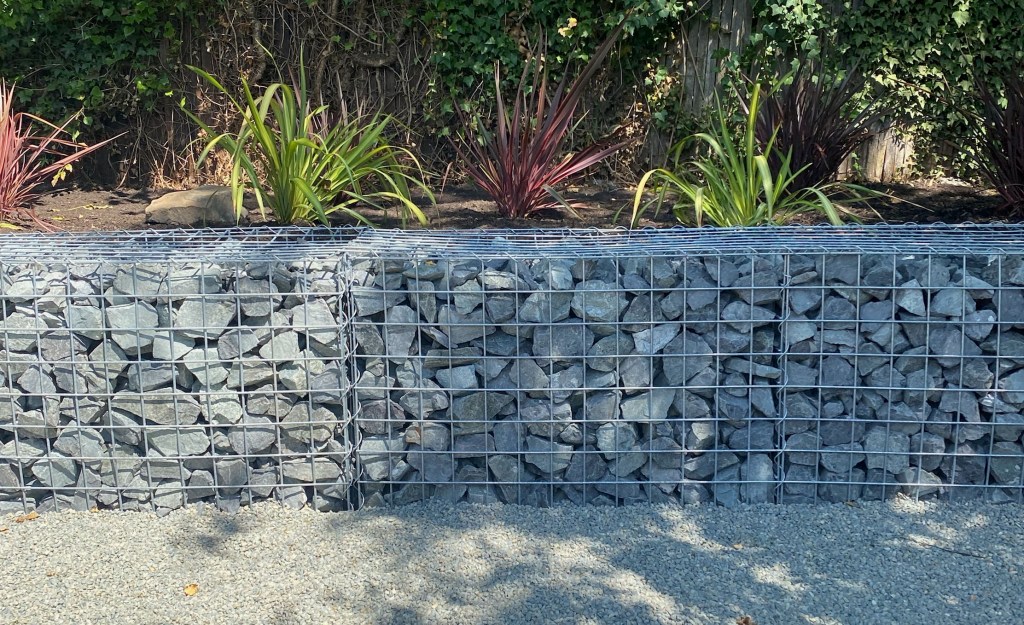
- Gabion: Gabion walls consist of wire mesh baskets filled with stones or gravel, creating a unique and visually appealing aesthetic. They’re flexible, allowing for natural drainage and vegetation growth. Gabion walls are often more affordable than traditional masonry options and can be installed with minimal specialized equipment.
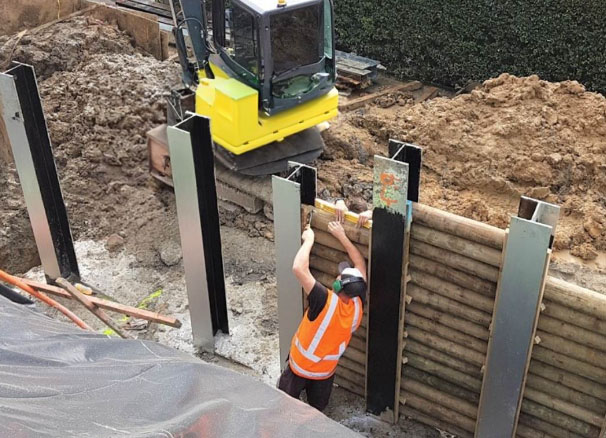
- Pile: Pile retaining walls utilize driven or drilled piles to support the soil and prevent erosion. They’re commonly used in areas with challenging soil conditions or limited space. While pile walls may require more extensive engineering and construction expertise, they offer unparalleled stability and longevity.
Regrading your hilly Seattle yard and installing retaining walls can transform your outdoor space into a functional and visually stunning oasis. By understanding the regulatory requirements, navigating the permitting process, and choosing the right materials, you can embark on this journey with confidence. Whether you opt for natural boulders, versatile concrete, cost-effective blocks, eco-friendly gabions, or robust pile walls, your regraded yard will be a testament to your vision and determination. With careful planning and execution, you’ll soon be enjoying the fruits of your labor amidst the natural beauty of the Pacific Northwest.

Leave a Reply