

Elevate Your Yard: Your Guide to Raised Garden Beds
Raised garden beds have become a popular choice for both novice and experienced gardeners alike, offering numerous advantages for cultivating a thriving garden. In this article, we will delve into the various types of raised beds and explore the diverse range of plants that can flourish in them.
Types of Raised Garden Beds:
- Wooden Raised Beds:
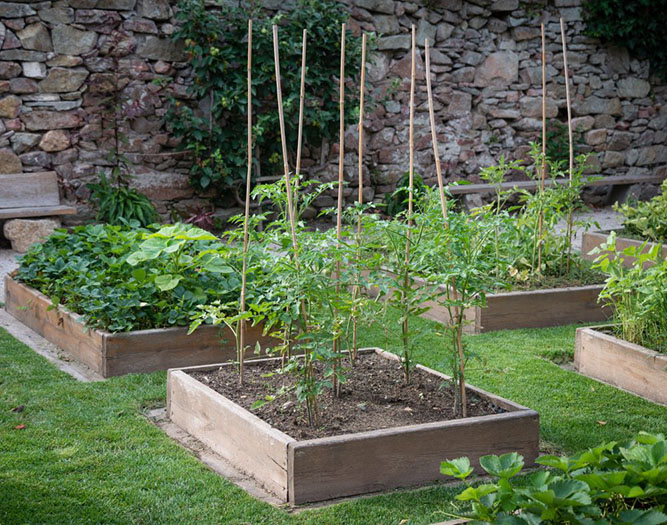
One of the most common choices, wooden raised beds are aesthetically pleasing and easily customizable. When considering raised garden bed installation, building raised garden beds with durable wood such as cedar or redwood is advisable due to their resistance to decay. These beds provide good insulation, allowing for extended growing seasons. - Metal Raised Beds:
Metal raised beds, often made from galvanized steel or aluminum, offer durability and a modern aesthetic. These beds are particularly suitable for installing raised garden beds in areas with high moisture levels, as metal is resistant to rot and decay. - Concrete Block Raised Beds:
Constructing raised garden beds with concrete blocks provides a sturdy and long-lasting option. The blocks can be arranged in various configurations, allowing for creativity in design. However, it’s essential to ensure proper drainage in these beds to prevent waterlogging. - Straw Bale Beds:
A more unconventional choice, straw bale raised beds offer excellent insulation and water retention. Building raised garden beds with straw bales involves conditioning the bales before planting. These beds are a sustainable option, and over time, the decomposing straw enriches the soil. - Recycled Material Beds:
Embracing sustainability, gardeners can create raised beds using recycled materials such as old tires, pallets, or even reclaimed wood. While these beds may require a bit more creativity during installation, they contribute to reducing waste and provide an eco-friendly gardening option.
Plants Suitable for Raised Beds:
- Herbs:
Raised beds are ideal for cultivating herbs such as basil, rosemary, and thyme. The well-drained soil in raised beds helps prevent root rot, allowing herbs to thrive. - Vegetables:
Many vegetables flourish in raised beds, including tomatoes, peppers, lettuce, and carrots. The improved soil structure and aeration support healthy root development, resulting in better yields. - Flowers:
For those with a penchant for blooms, raised beds provide an excellent environment for growing flowers like marigolds, petunias, and zinnias. The elevated position allows for better visibility and aesthetics in the garden. - Berries:
Strawberries and blueberries, among other berry varieties, can be successfully grown in raised beds. The controlled environment helps prevent soil-borne diseases and allows for efficient maintenance.
Whether you’re considering raised garden bed installation or already have established beds, understanding the diverse types and plant options available is crucial for a successful gardening experience. By tailoring your raised beds to suit the specific needs of your chosen plants, you can create a productive and visually appealing garden space.



Leave a Reply