

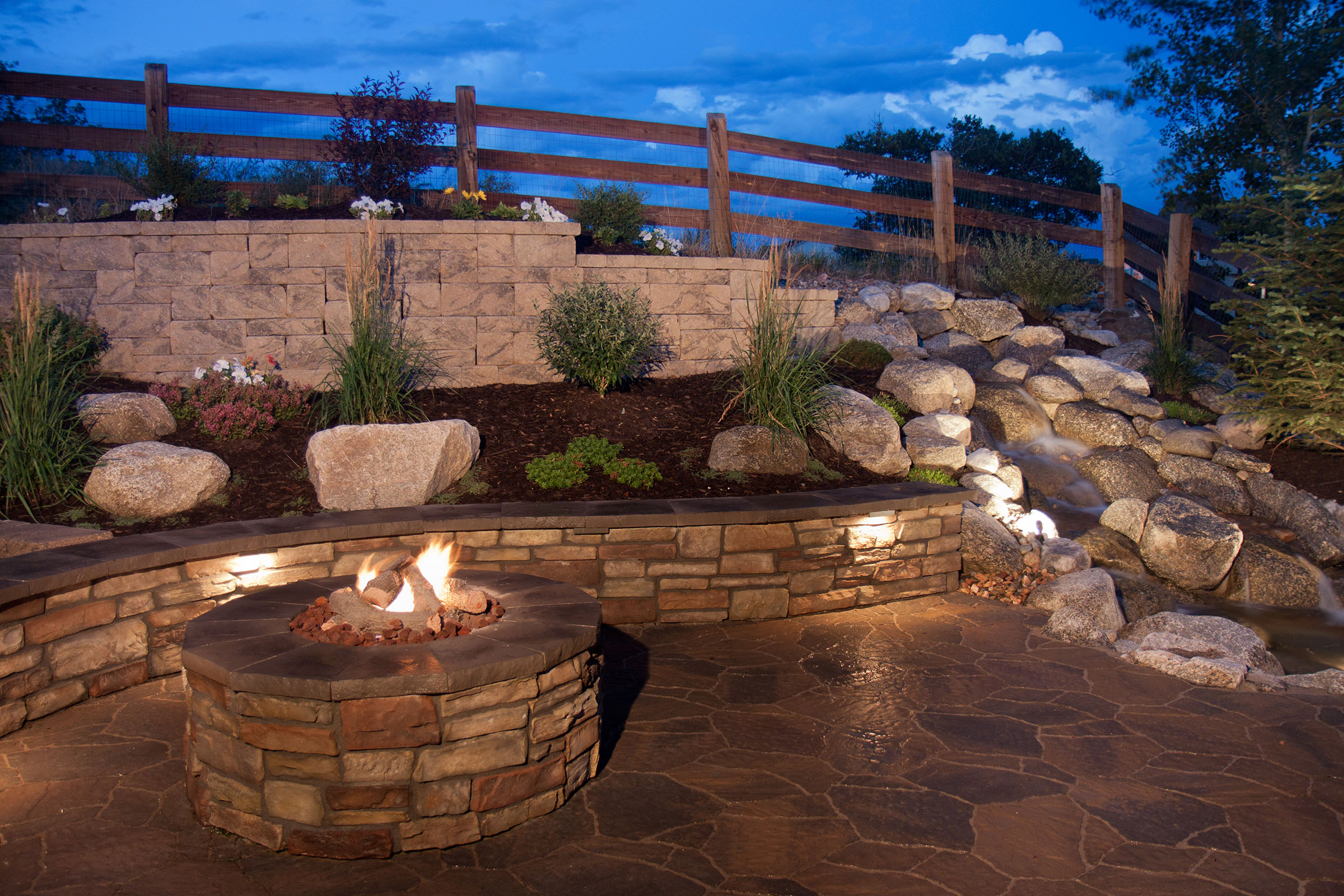
Retaining walls are more than just functional structures to hold back soil; they are an essential element of landscape design that can transform your outdoor space into a beautiful, cohesive environment. By thoughtfully incorporating retaining walls into your yard, you can create a seamless blend of form and function. Here’s how to design a landscape that integrates retaining walls naturally and attractively.
Choose the Right Material

The material you choose for your retaining wall plays a significant role in how well it blends with your overall landscape design. Options include:
- Natural Stone: Perfect for creating a rustic, organic look that harmonizes with gardens and lush landscapes.
- Concrete Blocks: Versatile and available in various colors and finishes to mimic stone or brick.
- Brick: Provides a classic, timeless appearance that works well with traditional gardens.
- Timber: Ideal for a more natural, rustic feel, especially in wooded or cottage-style landscapes.
Tip: Choose a material that complements your home’s exterior and other hardscaping elements for a cohesive look.
Incorporate Plantings for Visual Appeal
One of the easiest ways to make a retaining wall blend seamlessly into your landscape is by incorporating plants. Consider the following:
- Cascading Plants: Add visual interest and soften the edges by planting trailing vines or flowers like creeping thyme, ivy, or sweet potato vine that spill over the top of the wall.
- Vertical Planting: Use climbing plants or trellises to encourage vertical growth along the wall, creating a natural, integrated appearance.
- Tiered Garden Beds: If you have a multi-level retaining wall, plant a variety of flowers and shrubs at different levels for a layered, dynamic effect.
Tip: Select native or low-maintenance plants that thrive in your region to reduce the need for upkeep.
Create Functional Spaces
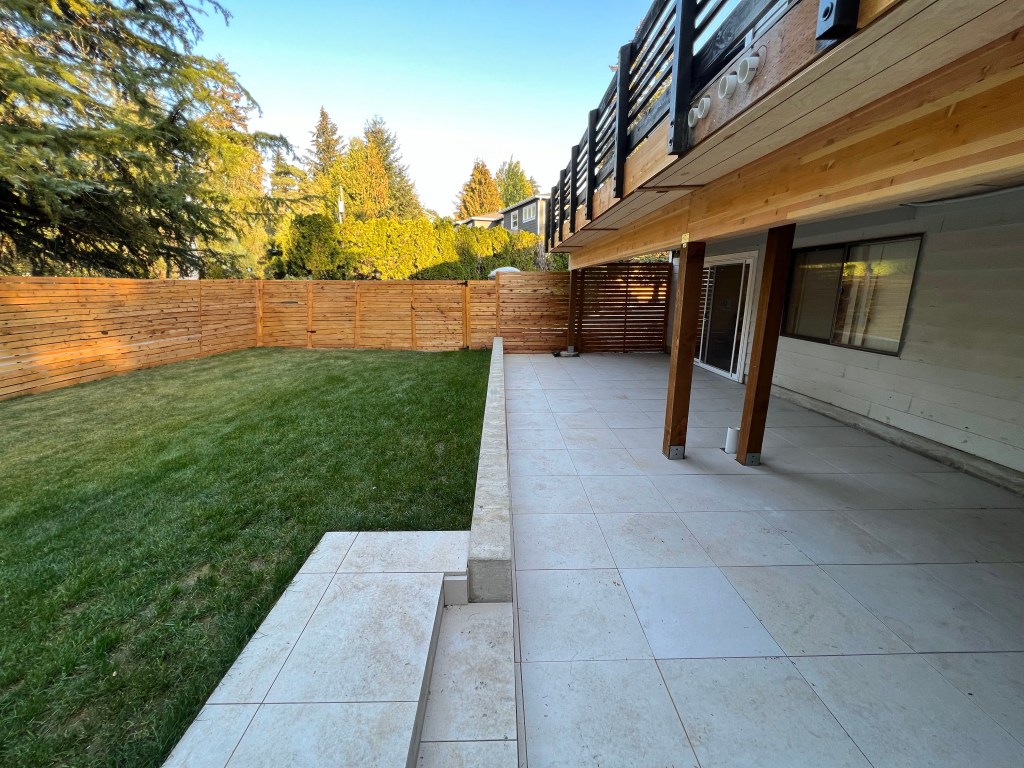
Retaining walls can be used to create distinct outdoor areas, making your yard more functional. Here’s how:
- Terraced Gardens: Turn a steep slope into tiered garden beds that provide more planting space and add depth to your yard.
- Built-In Seating: Incorporate benches or seating ledges into the design for an inviting space to relax and enjoy the view.
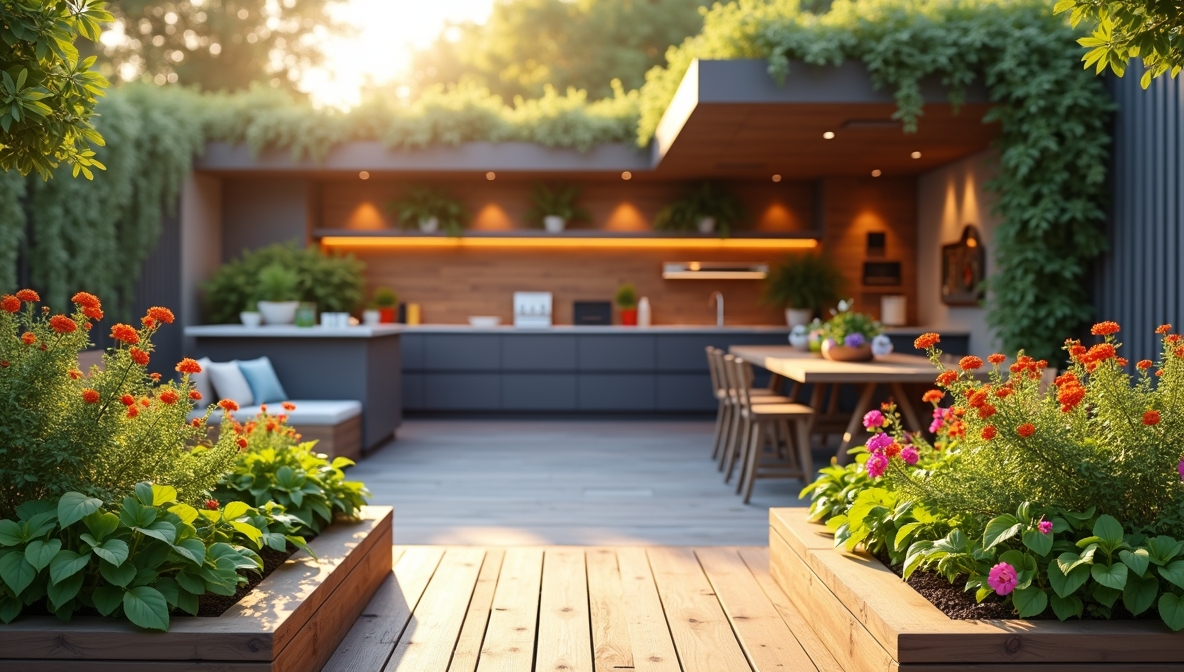
- Defined Areas: Use retaining walls to create boundaries for patios, outdoor kitchens, or play areas, giving your landscape structure and flow.
Tip: Align the design of these spaces with the retaining wall’s materials and finishes for a unified look.
Integrate Hardscape Features
Pairing your retaining wall with other hardscape elements enhances both the aesthetic and functionality of your yard. Consider:

- Pathways and Steps: Use the same or complementary materials to build pathways or floating steps that connect different areas of your landscape.
- Water Features: Add a waterfall or small fountain built into the wall for a calming focal point.
- Lighting: Install landscape lighting within or around the retaining wall to highlight its structure and add ambiance during evening hours.
Tip: Use energy-efficient or solar-powered lights to create a subtle glow that highlights the wall and surrounding areas.
Focus on Natural Curves and Shapes
Straight, linear retaining walls can look stark and out of place in certain landscapes. To create a more harmonious integration:
- Design with Curves: Opt for a curved or undulating wall instead of a straight line to mimic the natural contours of the land.
- Vary Wall Heights: For a more organic look, consider incorporating different wall heights to create visual interest and accommodate changes in terrain.
Tip: A curved wall also allows for more creative planting opportunities and blends seamlessly with natural landscapes.
Ensure Proper Drainage

A well-designed retaining wall not only looks good but functions effectively. Proper drainage is crucial to prevent water buildup behind the wall, which can lead to damage or collapse.
- Drainage Solutions: Install drainage pipes or weep holes and use gravel or porous backfill materials to direct water away from the wall.
- Plant Water-Loving Species: Consider plants that thrive in wetter conditions near the base of the wall to naturally absorb runoff.
Tip: Consulting a professional ensures that your retaining wall is structurally sound and long-lasting.
Add Personal Touches
Make the retaining wall uniquely yours by incorporating decorative elements such as:
- Sculptures or Art: Place garden art or sculptures along the wall for added character.
- Custom Finishes: Use different staining techniques, textures, or patterns to give the wall a custom look.
- Seasonal Decorations: Drape holiday lights or seasonal garlands over the wall for a festive touch.
Tip: Choose decor that complements your overall landscape style for a cohesive appearance.
Integrating retaining walls seamlessly into your landscape requires a blend of strategic design and creative touches. By selecting the right materials, incorporating plants, and using the wall to define functional spaces, you can transform your yard into an inviting and visually appealing outdoor haven. With attention to detail and thoughtful design, retaining walls become more than just structural necessities—they become integral parts of your landscape’s beauty and functionality.


Leave a Reply